The Baird Institute Scholarships & Grants Program
The Baird Institute is the only dedicated cardiothoracic surgical training and research institute in Australia.
Established by cardiothoracic and cardiovascular surgeons, the Institute exists to foster, fund and promote research among medical and science undergraduates, graduates, advanced trainees and specialist surgeons.
The Baird Institute performs all types of research. This includes evidence-based medicine (systematic reviews, meta-analyses), clinical studies & trials, and lab-based “basic science” research.
While research is a mandatory component of surgical training, practical support within general surgical programs is often limited. The Baird Institute recognised this gap and continues to support structured, meaningful research engagement through scholarships and grants that support innovation, education and improved patient outcomes.
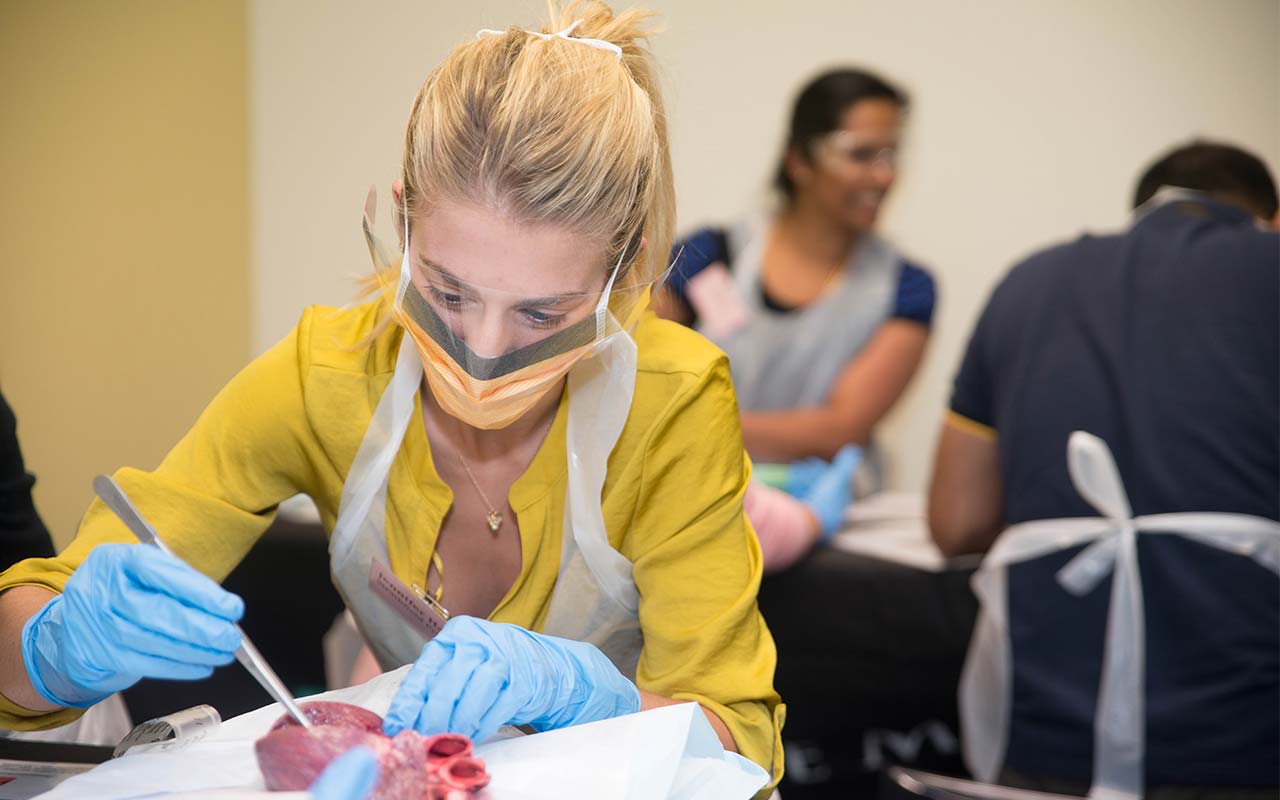
The Baird Institute offers annual scientific and surgical scholarships and research grants to trainee cardiothoracic / cardiovascular surgeons, medical students and science students undertaking research in cardiothoracic or cardiovascular fields.
These scholarships and grants are designed to:
- Encourage participation in clinical and applied research
- Provide structured academic mentorship
- Support meaningful research outputs
- Strengthen the pipeline of clinician-scientists in cardiothoracic medicine
From time-to-time scholarship & grant holders may be required to make presentations regarding the progress of their research to the staff and management of one or more of the sponsoring organisations. Scholarship holders will also be required to attend and present at Baird Institute donor functions and events.
Research at the Baird Institute
Information for Students
The surgeons at The Baird Institute who supervise research students are called ‘Academic Surgeons’. These are surgeons who commit extra time outside of their clinical practice for this purpose. Each surgeon has particular interests within cardiothoracic surgery and thus supervise different students based on their project.
The Baird Institute supervises all levels of research projects of medical and science students, surgical registrars and trainees. This includes Master of Philosophy (MPhil), and Doctor of Philosophy (PhD). We also supervise research projects that may be done as part of coursework degrees, such as the Master of Surgery.
The Baird Institute performs all types of research. This includes evidence-based medicine (systematic reviews, meta-analyses), clinical studies & trials, and lab-based “basic science” research.
Please visit the Research page to see the specific-interest groups at The Baird Institute.
The Baird Institute aims to not just supervise research students, but also to provide mentorship to them. This includes senior surgeons who can discuss career goals, advise in clinical situations, sponsor for applications and constructively critique your work.
We also help students who want to begin a career in academic surgery. There are many reasons for wanting to do this, including the ability to provide the best patient care, to discover and apply new knowledge to surgical problems, to teach trainees & surgeons across the world and to be a part of innovation and change.
Please contact us here. Be sure to include your stage of medical school or the stage of your scientific degree and where you are studying and working.
We thank the following sponsoring organisations for their support of our educational research scholarship program

Building the Future of Cardiothoracic Surgery
Through our Research Scholarships, Surgical Scholarships, and Research Grants, The Baird Institute continues to foster innovation, support excellence and deliver lasting benefits for patients, clinicians and the broader community.
For further information regarding eligibility, application timelines or selection criteria, please contact us via the enquiry button below.
Past Scholarship & Grant Recipients
Sam Khadra
It was during the first week of my medical school at the University of Sydney that we were given a talk on the importance of research in medicine by Dr Jonathan Hong and encouraged to get ourselves involved. Dr Hong left a link to Professor Paul Bannon’s email on the lecture slides and I decided to send him an email outlining my interest. I began working as a research assistant in the Cardiothoracic Department at Royal Prince Alfred Hospital and have been fortunate enough to be awarded a grant from The Baird Institute to complete the project outlined below.
In conjunction with The Baird Institute and Strathfield Private hospital, I am commencing work on a project to integrate peri-operative data on cardiothoracic surgery performed at Strathfield private with the Central Sydney database. The intention is to have a centralised database of operative outcomes which will be the backbone of productive research going forwards. The cardiothoracic data at Strathfield Private stretches back to the hospital’s conception and captures a history of innovative procedures from minimally invasive surgery, robotic surgery and trans-cutaneous aortic valve replacements (TAVI). Hosting this data on the central Sydney database will allow broad accessibility and ensure it can be utilised in valuable cardiothoracic research in the future.
Although I am at an early stage of my long journey through the medical profession, I am motivated by pursuing a career that balances research, education and clinical work. I am lucky to be able to work closely with a mentor like Professor Paul Bannon who embodies the characteristics of clinical excellence, services to the broader community and contribution to education that I will strive to emulate in my own career. It is a great privilege to have this opportunity, and I am immensely grateful to both The Baird Institute and Professor Paul Bannon for trusting me with this role and providing a generous grant to facilitate the completion of the project.
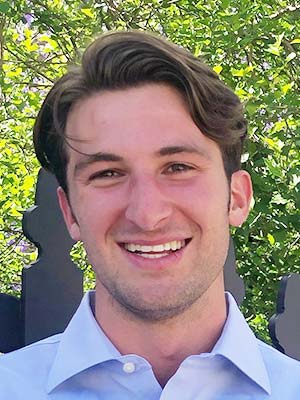
Nicholas McNamara
I am a cardiothoracic registrar at Royal Prince Alfred Hospital. I graduated from Sydney University with a Bachelor in Physiotherapy in 2012 and graduated in Medicine in 2016. For the past three years I have been working at Royal Prince Alfred Hospital pursuing a career in cardiothoracic surgery and am currently completing my Master of Surgery (Cardiothoracic Surgery). I am very grateful to have recently received a grant from The Baird Institute for my work with A/Prof Christopher Cao on the thoracic surgery database.
The thoracic surgery database at Royal Prince Alfred Hospital was designed to capture operative information and outcomes to guide the delivery of optimal surgical care. It is currently undergoing an evolution as we begin to include more data pertaining to longer term outcomes. Recently, we reviewed our thoracic database and found it to be lacking in useful information relating to patients’ long-term pain and postoperative function. As these are undoubtedly two very important outcomes, we have worked to expand the database to capture this information. We will be using this new information to better determine which operative and anaesthetic practices lead to improved pain and function so that we can ensure the best possible outcomes for all our patients.
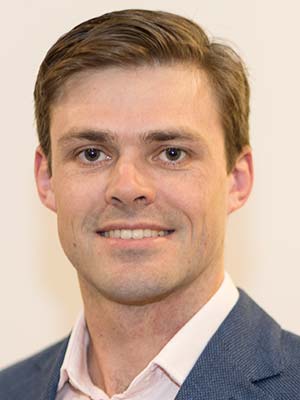
Kei Woldendorp
I am a registrar in Cardiothoracic surgery at Royal Prince Alfred Hospital, where I have worked for the past 4 years. I studied at the University of New South Wales as an undergraduate, having received assistance from the Rural Australian Medical Undergraduate Scholarship to move to Sydney from northern NSW. I graduated in 2015 with an MD and BMed.
I have had a keen interest in Cardiothoracic surgery since my medical school years and began my involvement with The Baird Institute in 2012 under the mentorship of Professor Paul Bannon. Since then I have continued my research with The Baird and have been fortunate enough to have the opportunity to present several pieces of my work at international conferences and to publish peer reviewed journals.
Since 2016 I have been involved in a Masters of Philosophy (MPhil) at the University of Sydney with a focus on Cardiothoracic surgery. My thesis is on the prevention and treatment (particularly new methods) of stroke after cardiac surgery, which although rare, still presents a devastating complication of undergoing heart surgery. I am particularly focusing on one of the largest modifiable risk factors, atrial fibrillation. Atrial fibrillation is an irregular heart rhythm that commonly occurs after heart surgery. Although it is usually transient and not noticed by patients, it poses a risk of stroke if it persists and can often require blood thinning medications to be taken to lower this stroke risk.
Fortunately, the vast majority of patients who develop atrial fibrillation, revert back to a normal heart rhythm within a few days to a few weeks following surgery. In this setting I am looking at improved ways to manage patients who develop atrial fibrillation, particularly looking at more effective and safer methods to help reduce the risk of stroke associated with this heart rhythm. This year I’ve been fortunate enough to be awarded a generous research scholarship from The Baird Institute which will go a long way to enabling me to attend future research conferences as well as providing assistance for the purchase of necessary research equipment for my thesis.
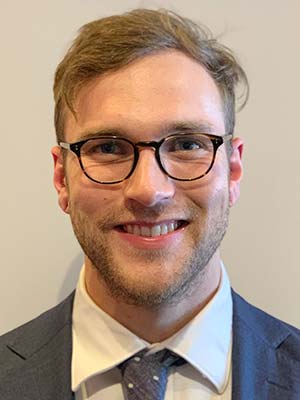
Listen to Kei talking about his research and the impact it will have on patient outcomes
Matthew Doyle
I am a Cardiothoracic registrar at Royal Prince Alfred Hospital in Sydney. I completed my junior medical training at St George Hospital in Sydney before moving to RPAH.
Prior to studying medicine, I studied exercise physiology and rehabilitation. I have previously worked with cardiac patients in both inpatient and outpatient rehabilitation settings. My experience in cardiac exercise rehabilitation and current cardiothoracic surgical training provides a unique opportunity to bring novel exercise therapies into the acute care setting.
Since starting my training in cardiothoracic surgery, I have observed that many patients, particularly the elderly and frail, are unable to perform standing or waking exercises in the first few days following surgery. This is due to the impact of heart surgery on the body. As a result, patients who are older or physically deconditioned can rapidly lose strength in their leg muscles due to inactivity.
My research involves the development of a new piece of exercise equipment and exercise protocols for patients in the first week after cardiac surgery. We have tested our equipment in a university laboratory setting and validated its performance. We are currently performing research with this new exercise modality with patients in the first few days after major heart surgery. Our research group hopes that this mode of exercise may provide a means of maintaining leg muscle strength for those patients who are unable to walk around the hospital ward post-surgery.
I am very grateful for the scholarship that I have received from The Baird Institute as it will provide support for the construction and refinement of our exercise apparatus required for my research, as well as the purchase of several pieces of monitoring equipment that patients wear when participating in the study.
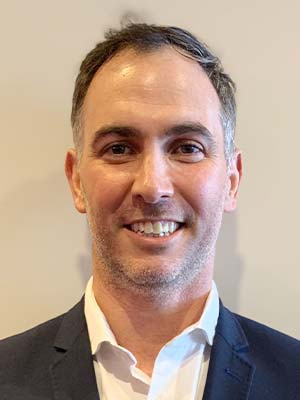
Listen to Mat talking about his research and the impact it will have on patient outcomes
Charis Tan
I am a cardiothoracic registrar at Royal Prince Alfred Hospital. I graduated from Monash University with a Bachelor of Medicine and Bachelor of Surgery (Hons) and was a recipient of the Ellice Jane Hammond Prize for excellence in student internship. I am a director of Airborne Aid, an international non-profit organisation based in Australia, connecting medical aid with destinations in need through free luggage space. I have presented at international conferences and published in international peer-reviewed journals. In 2019 I was very happy to receive a research grant from The Baird Institute pertaining to the upkeep and integrity of data entry into the ANZSCTS Cardiac database. I have also received a Baird Institute educational scholarship to complete a Masters of Philosophy (Surgery). My thesis is entitled “Optimising Medical and Surgical Treatments of Isolated Tricuspid Regurgitation”.
My research is to retrospectively characterise patients with isolated primary severe Tricuspid Regurgitation, who were identified or referred late (symptomatic right heart failure or right ventricular dysfunction for less than 12 months) and to fully understand the impact of our current management strategy on clinical outcomes with the aim being to improve the existing strategy.
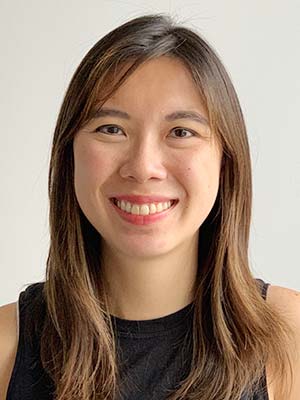
Listen to Charis talking about her research and the impact it will have on patient outcomes
Edwards Lifesciences Fellowship
Michael Seco
BMedSc MBBS
PhD Candidate
Dr Michael Seco was an Intern at the Royal Prince Alfred Hospital from 2015. The award of Edwards Lifesciences fellow enabled him to complete his PhD part-time during medical school and internship. Dr Seco’s PhD project is entitled “Minimising the invasive of cardiac surgery”, and is performed under the supervision of Profs. Michael Vallely, Paul Bannon, & John Fraser (UQ). The aim is to evaluate the safety and clinical outcomes of new, minimally-invasive techniques, especially in elderly or high-risk patients. This includes transcatheter aortic valve replacement, off-pump coronary artery bypass grafting, and robotic techniques.
Some early findings from the project have been published in international peer-reviewed journals and presented at the Annual Scientific Meetings of the Australian & New Zealand Society of Cardiac & Thoracic Surgery.
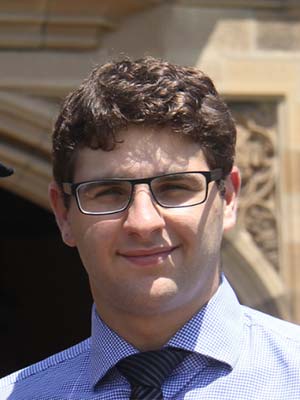
Medtronic Heart Fellowship
Andrew Sherrah
BSc MBBS (Hons)
PhD Candidate
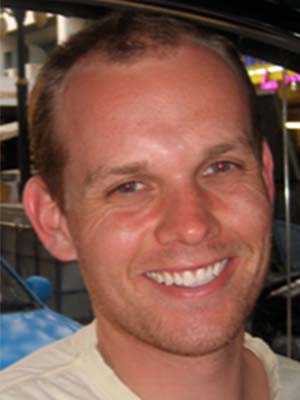
Dr Andrew Sherrah was a PhD candidate at the University of Sydney and holder of the Baird Institute Medtronic Heart Fellowship. His research interest is in the diagnosis and management of thoracic aortic disease.
He has completed his Bachelor of Science (Physiology) at the University of New South Wales in 2006, and his Bachelor of Medicine and Bachelor of Surgery with Honors at the University of Sydney in 2009.
Doctor Sherrah’s current projects include the qualification of myeloperoxidase as a prognostic marker in aortic aneurysm disease and the use of magnetic resonance imaging in the assessment of flow dynamics in aortic dissection. He has presented his research at both national and international scientific conferences. Doctor Sherrah is also a medical student tutor in the Sydney Medical Program, University of Sydney.
Medtronic Heart Fellowship
James Edelman
BSc (Hons) MBBS (Hons)
PhD Candidate
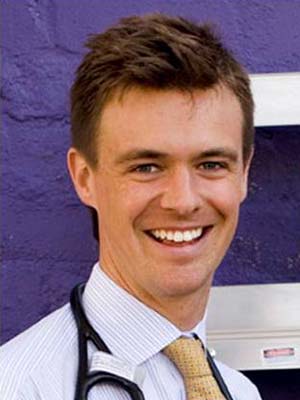
Dr James Edelman was awarded the inaugural Medtronic Heart Fellowship in 2010. At that time, he was a trainee in Cardiothoracic Surgery and the Medtronic Fellowship enabled him to take time away from clinical training to undertake his PhD full-time at the University of Sydney, under the supervision of Associate Professor Michael Vallely and Professor Paul Bannon.
Dr Edelman’s PhD project was entitled Inflammation, Tissue Injury and Thrombosis in Off-pump Coronary Artery Bypass Grafting. The aim is to better understand thrombotic complications after surgery, and the processes linking injury with inflammation and coagulation. Divided into three parts, the project focuses on 1) novel inflammatory markers and cellular responses that are altered after cardiac surgery, and may contribute to the systemic inflammatory response syndrome; 2) the alterations in coagulation that follow surgery, and may put patients at risk of either post-operative bleeding or thrombosis; and 3) the prevention of neurologic injury in coronary artery bypass grafting by using the ‘an aortic’, off-pump technique.
Some findings from the project have been published in peer-reviewed journals and presented at the Annual Scientific Meetings of the Australasian Society of Cardiothoracic Surgery and Cardiac Society of Australia and New Zealand. James is a Clinical Associate Lecturer at the University of Sydney and regularly teaches students in the Graduate Medical Program at the Sydney Medical School.
St Jude Medical Aortic Disease Fellowship
Hamid Mollahajian
MBBS
PhD Candidate
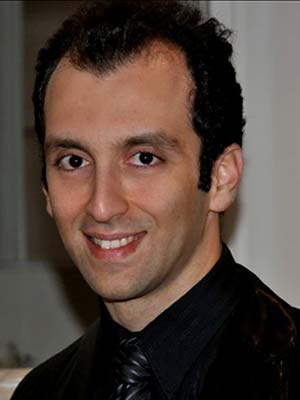
Dr Hamid Mollahajian was born in Tehran, Iran and moved to Australia after graduating from Medical School at Tehran University. His passion for surgery started in the early days of medical school, along with a genuine interest in research which led to his participation in research on oesophageal and cervical cancer, two common cancers in Iran, during his internship.
After moving to Australia in 2007, Dr Mollahajian developed an interest in cardiovascular surgery whilst working in the Royal Melbourne Hospital. He participated in research on Routine Use of Noradrenaline in Coronary Surgery, which he presented at the national cardiothoracic meeting.
Dr Mollahajian moved to Sydney after he was awarded the St Jude Medical Fellowship in 2010. This fellowship allowed him to undertake a full-time PhD, researching biocompatibility of vascular grafts, under the supervision of Professor Paul Bannon at the University of Sydney. He also participated in the teaching of medical students at the Central Clinical School, as an Honorary Associate of the University of Sydney.
Slater & Gordon Mesothelioma Fellowship
Tristan Yan
BSc(Med) MBBS MS MD PhD FRACS
Master of Surgery
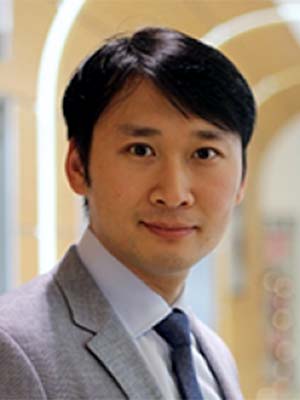
Dr Tristan Yan received the inaugural Slater & Gordon Mesothelioma Fellowship in 2008, enabling him to complete his Master of Surgery in 2010.
Dr Tristan Yan is a Consultant Cardiothoracic Surgeon, Professor of Cardiovascular and Thoracic Surgery at the Macquarie University Hospital and Clinical Professor of Surgery at the University of Sydney, Royal Prince Alfred Hospital, and Sydney Adventist Hospital in Sydney, Australia.
Professor Yan graduated from the University of New South Wales (UNSW) with Bachelor of Science (Medicine), Bachelor of Medicine and Bachelor of Surgery. He also completed three postgraduate higher degrees, Master of Surgery (USyd), Doctor of Medicine (UNSW) and Doctor of Philosophy (UNSW). He was trained at Royal Prince Alfred Hospital and St Vincent’s Hospital in Sydney and then obtained a Cardiothoracic Surgery Fellowship from the Royal Australasian College of Surgeons.
Following advanced surgical fellowships in the United States, England, Scotland and Germany, he now specializes in minimally invasive cardiovascular surgery, and minimally invasive thoracic surgery. He has authored or co-authored more than 250 articles and textbook chapters, with an h-index of 41 and approximately 6,700 citations. He is the Chairman of the Collaborative Research (CORE) Group responsible for establishing and organizing the world’s largest multi-institutional Aortic ARCH Registry, consisting of more than 14,000 patients. He is also the founder and the Editor-in-Chief of the Annals of Cardiothoracic Surgery.
St Jude Medical Medical Scholarship
Michael Byrom
MBChB GradDipSurg PhD FRACS
PhD Candidate
Dr Michael Byrom completed his PhD in 2013. He joined The Baird Institute as the St Jude Medical Scholarship holder. He initiated research into the development of new artificial blood vessels for use in vascular bypass surgery such as coronary artery bypass. To date this research has resulted in the development of two entirely new types of blood vessel prosthesis as well as numerous conference presentations, publications, and international patents.
Michael has worked on reviews of bypass conduit failure as well as guidelines for the laboratory assessment of vascular prosthetic blood compatibility assessment.
St Jude Medical Medical Scholarship
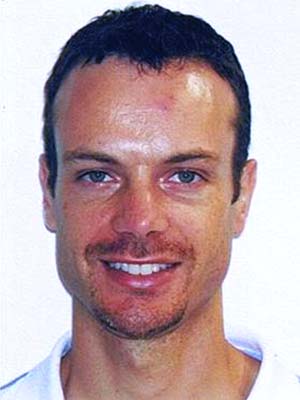
Christopher Cao
BSc(Med) MBBS
Dr Christopher Cao is a Past Research Fellow at the Baird Institute. Concurrent with his clinical practice in Cardiothoracic Surgery, he had a keen interest in academic research, as demonstrated by more than 80 publications and book chapters, including first authorships in The Lancet, The Lancet Oncology, The Lancet Respiratory Medicine, Circulation, Annals of Thoracic Surgery, Journal of Thoracic and Cardiovascular Surgery, Journal of Thoracic Oncology, Chest, and others. He was the chief investigator in a large number of institutional studies, multi-institutional registries, systematic reviews and meta-analyses. Many of these were achieved in a team environment, where he supervised and trained junior residents and medical students to become proficient with statistical analysis and academic writing.
As the Section Editor for the Annals of Cardiothoracic Surgery, a Founding Member of the Collaborative Research Group, and a reviewer in more than 20 international journals, he has had extensive experience in surgical academia.