
Baird News

Morning Tea at Vaucluse House

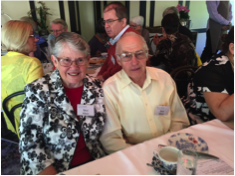
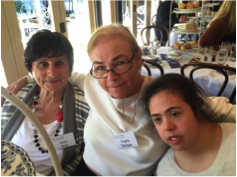
Over 80 of our generous donors joined Professor Paul Bannon and The Baird Institute Team for morning tea at Vaucluse House

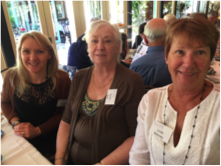
Our Donor Morning Tea was held at Vaucluse House Tea Rooms on Thursday, 12 May 2016. Over 80 guests attended – most of whom have supported The Baird Institute for many years. It was a wonderful opportunity to meet fellow donors and enjoy a delicious morning tea at one of Sydney’s most beautiful historic homes.

Guests were joined by Professor Paul Bannon (our Chairman), who provided an update on The Baird Institute’s latest research. It was also a chance for The Baird Institute’s team to thank some of the many people who help make our important work possible.

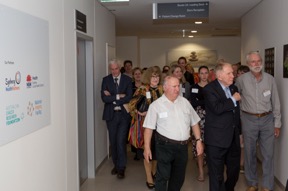
After the presentation, guests enjoyed a tour of Vaucluse House and a walk around the beautiful surrounding gardens.

Inaugural Cardiac Nurses Education Conference

Inaugural Cardiac Nurses Education Conference

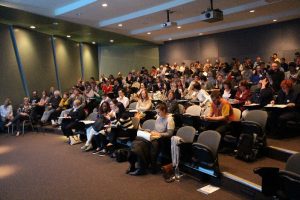
The Baird Institute’s first Cardiac Nurses Education Day focused upon the surgical care of patients requiring cardiac intervention with four rotating workshops to enable small group learning in conjunction with patient-centred care. The day was designed to provide practical and informative updates on the management and care of patients in the perioperative and post-operative period.

The event was held on Saturday 28th November 2015 through the support of The Baird Institute and Strathfield Private Hospital. Nurses from Strathfield Private and Royal Prince Alfred Hospitals participated in the event. Major sponsors for this occasion were Strathfield Private Hospital and St Jude Medical.

The Baird Institute wishes to extend its thanks to Ms. Cassandra Broad who helped organise the day and to the key speakers who made the day such an exciting and informative event. These experts included The Baird Chairman and Board members speaking from their cardiothoracic and research expertise, The Baird Institute doctoral fellows and Registered Nurses with expertise in patient care, management and critical problem-solving.

Guest speakers from The Royal Prince Alfred Hospital, Concord Repatriation General Hospital and from St Jude Medical helped make the day a successful and productive event.

Presentations discussed major surgical procedures, complications from cardiac and lung disease encountered during the perioperative and post-operative period and current treatment modalities.

Subject matter ranged from the latest in robotic surgery, use of innovative materials to improve surgical outcomes and advances in technology that improve cardiac surgical techniques.

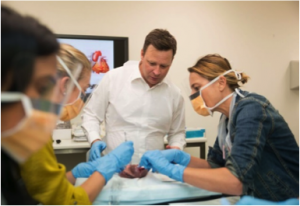
Four workshops were presented for all attendees to experience smaller group discussion and to have input from radiology, surgery, nursing and trade company specialists. A wet lab was held for pig heart dissection and anatomy and physiology review, as well as chest x-ray interpretation, management of emergent chest re-opening in critical care and the use of intra-aortic balloon pump for patient survival.

The patient voice was heard with a discussion of unanticipated psychological effects of surgery, including the management of depression despite a successful surgical outcome. Mr. Phillip Koperberg spoke about his own personal experiences after cardiac surgery – a discussion which resonated with operating theatre, intensive care and cardiac ward nurses.

Sixty-three delegates were registered for the event from Perioperative Nursing, Critical Care and Cardiothoracic Surgical departments. This presented a challenge for the organisers to ensure that the sessions appealed to the three different areas of expertise in cardiac nursing. Forty-three survey responses were received at the conclusion of the day; a response rate of 73%.

Continuing Professional Development certification (CPD) was obtained through the Australian College of Nursing, providing a professional and documented approach to acknowledging the content delivered to participants. Overall the Cardiac Nurses’ Education day was deemed a success by both participants and organisers. It is anticipated that a biennial event will be held and that it will be open to perioperative, intensive care and ward-based nurses.
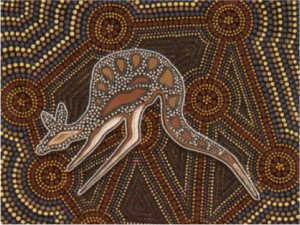
The Baird Institute & Indigenous Communities

Cardiovascular disease (CVD) is an overarching term used to describe a group of diseases that affect both the heart and blood vessels. The most common forms affecting Australians is coronary artery disease (which includes angina and heart attack), stroke, and high blood pressure. High blood pressure will also result in kidney disease. Factors that affect the heart and blood vessels and cause disease include smoking (both smoking and exposure to second hand smoke), high cholesterol, being over-weight, a lack of exercise, poor nutrition and diabetes.

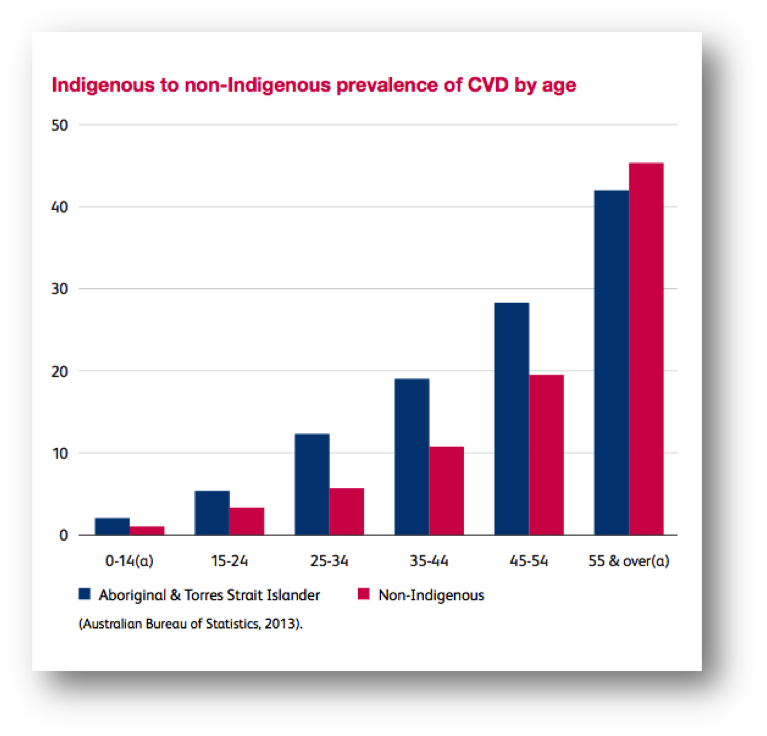
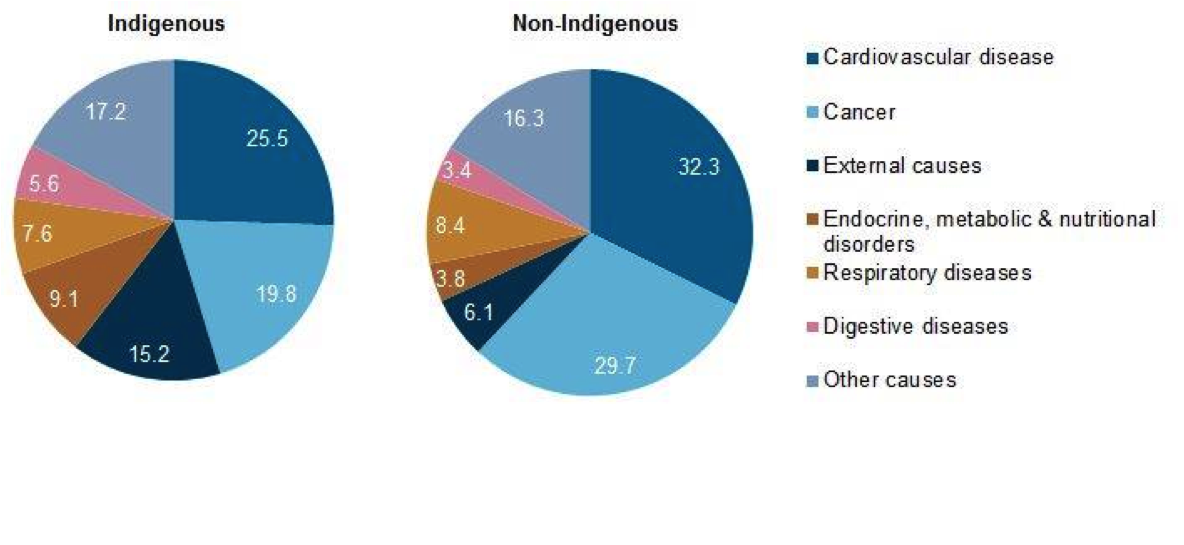
Many Aboriginal and Torres Strait Islanders either have CVD or are affected by CVD. The statistics for CVD show a rate of disease that is multifactorial in development, and is complicated by the need for advanced care to often remotely living Australians. One in twenty indigenous people have reported having high blood pressure and one in 25 have had heart, stroke or vascular disease or a combination of these (Australian Aboriginal and Torres Strait Islander health survey 2012-2013). These heart and related conditions occurred 1.2 times more often for Indigenous peoples than for non-Indigenous people. Indigenous people are more likely to die from CVD when they’re young or in middle age than non-Indigenous people.

In 2009-2010 in NSW, Qld, WA, SA and the NT, the death rates for all coronary heart disease (the leading cause of CVD-related deaths) were seven to thirteen times higher for Indigenous people in the 25-39 and 40-54 years age-groups than the rates for their non-Indigenous counterparts.

Sydney LHD, Royal Prince Alfred Hospital and medical professionals from The Baird Institute are involved in addressing cardiovascular and cardiothoracic needs of Aboriginal and Torres Strait Islanders as a direct health care approach for indigenous people accessing Sydney LHD healthcare or through resources developed by the Australian Department of Health and through individual philanthropic work.

Some key developments that have taken place in the area of Indigenous Australian cardiovascular health include the

  • National chronic disease strategy for all Australians and recognises the need to value cultural differences of Indigenous Australians and barriers to accessing health care.
  • Rheumatic fever strategy – preventing and treating oral and bacterial causes of the disease which results in heart valve failure
  • Cardiac geographic information system – a project that provides primary care services with further knowledge of cardiac rehabilitation against areas of cardiac disease prevalence.
  • Medical specialist outreach assistance program – funded by the Australian Department of Health to improve Indigenous peoples’ access to specialist medical services when living in rural and remote regions of Australia.
  • Indigenous chronic disease fund aims to target three areas of priority to prevent and reduce the disease burden of CVD, including tackling risk factors, identifying services that can deliver results and fixing the gaps and improving the person’s journey through the health care system.

Click to enlarge images (Graphs courtesy of the ABS):

Launch of the Kenyan Fellowship

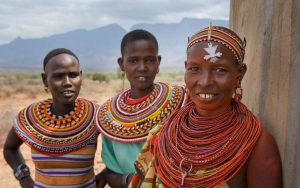
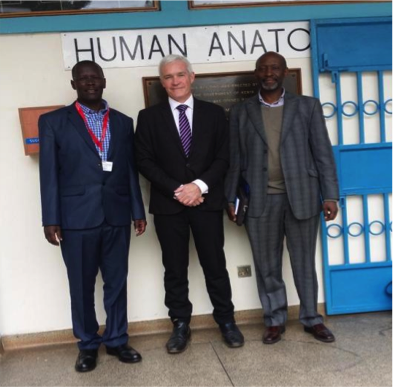
The Kenyan Cardiothoracic Surgical Trainee Fellowship was launched at the Royal Prince Alfred Hospital Reunion Week, 2-4 September 2015.hin Nairobi and Kenya.

The fellowship aims to raise funds for an ongoing rolling fellowship to support a 2 year registrar placement at The Royal Prince Alfred Hospital. The Baird Institute and the University of Nairobi are working together in this venture to help support cardiothoracic surgery capability within Kenya.

Kenya lies between Somalia to the East, Ethiopia to the North, Sudan to the northwest, Uganda to the West and Tanzania to the South. The economy of Kenya, at present, depends mainly on agriculture (tea, coffee, dairy produce, meat, sisal, pyrethrum) and tourism. Kenya’s population is about 38 million with a concentration in the central and western parts of the country. The northern and north eastern parts of the country have sparse population due to the semi desert climatic conditions prevalent there.

There has been an exponential rise in cardiovascular disease in Kenya and it is soon to become the nation’s largest health problem in the next decade – placing a significant strain on the health care system, as well as the Kenyan economy as a whole. Ideally, the ratio of cardiothoracic surgeons to the population is said to be around 1: 160 000 – in Kenya it is a staggering 1: 5, 000, 000 (perhaps 78 cardiothoracic surgeons for the nation)

Kenya commenced a cardiovascular and thoracic surgical training program in 2012 and successful trainees from this program are awarded a Master of Medicine in Thoracic and Cardiovascular Surgery.

However, in a developing country there are some gaps in exposure to critical aspects of cardiothoracic practice which underpin the development of an effective and sustainable Kenyan cardiothoracic surgical service.

The Fellowship will allow trainees who have completed their local training, to come to Australia – with the first trainee expected in January 2017. The Baird has launched the Kenyan Fellowship Campaign in order to provide a sustained approach to funding trainees to study this exacting form of surgery and to further the training programs clinically within Nairobi and Kenya.

The 8th Annual Cardiothoracic Seminar

The 8th Annual Cardiothoracic Seminar

JOHN HUNTER HOSPITAL, NEWCASTLE, 19 AUGUST 2016

The topic addressed was:

Cardiac surgery complications

The Baird institute is committed to the education of doctors and nurses in the field of cardiothoracic medicine and as such, recently funded six nurses to attend the 8th Annual Cardiothoracic seminar in Newcastle. The conference was aimed specifically at nurses and allied health professionals.

One of the sponsored attendees at the conference – Francesca Rowshanzadeh, Clinical Nurse Educator at Royal Price Alfred Hospital – commented that the seminar discussed common and lesser known post-surgical complications which she felt better prepared her to support the patient and to educate clinicians in the ward environment.  See below her feedback on the seminar:

“I am the Clinical Nurse Educator of ward 6E2, the cardiovascular ward at RPAH, and I was extremely impressed with the quality of this seminar as the content was extremely applicable to the care we provide to our patients on a day to day basis.  Education in nursing care is very often reactive in nature, waiting for a complication to occur for an opportunity to educate on the management & treatment. I feel this seminar provided my nurses and I with the knowledge to be adequately prepared for any complications post-operatively which would directly  impact on our patient’s journey. The presentation regarding sternal wound dehiscence is extremely applicable to my role on the ward, and is an area I have a special interest in. It was extremely beneficial to follow the patient journey post pec flap advancement surgery and see the wound’s journey via photographs. The topic of tamponade was also extremely valuable as it is a complication which occurs to our patients every so often and which requires preparation and  knowledge of the signs and symptoms, as well as the treatment options, to manage adequately. Finally, the presentation on post-operative  arrhythmias was perhaps the most pertinent topic as it is managed by myself and my nurses on a daily basis. I believe it reinforced our prior knowledge whilst also adding to it. All up, it was an excellent opportunity for my staff and I and I really appreciate the opportunity that the Baird Institute gave each of us to attend.”

One of the presentations at the seminar was  “Prolonged Bypass – Myocardial Protection” by Perfusionist, John Dittmer. Below is a summary of John’s presentation.

“Cardiac surgery remains unique in that most procedures require Cardiopulmonary Bypass (CPB) to allow the surgeon to operate on a motionless and relatively bloodless heart. Cardiopulmonary Bypass is the most invasive procedure performed on the human body and unfortunately it is not without its consequences. Each time the blood passes through the bypass circuit it passes over between 2 and 3 square meters of non-endothelial surfaces. As the blood traverses the circuit, it is subject to rapidly changing pressures, sheer forces and comes in contact with foreign surfaces and with air. The blood is therefore subject to various stresses not normally experienced within the body. The longer the patient is on CPB there is an increased likelihood that its effect on the blood and the inflammatory response will cause coagulopathies and increased vascular permeability. Reducing the effects of CPB will bring about better outcomes for our patients. This requires a team effort. Already this year there are positive results from changes in our practice. Firstly, using the results of anaemia screening, patients have a higher pre op Hb. This has reduced the volume of hemodilution during bypass. Secondly there has been a reduction of the use of blood product used intraoperatively. This has been done by determining which products are needed by analysing the patients clotting profile, using the TEG monitor. During cardiac procedure, the heart is stopped by giving Cardioplegia directly into the coronary arteries and or coronary sinus. There are several techniques involved in preserving the heart for longer cases. We have been using three different types of Cardioplegia and are undertaking a small study to look at the efficacy of each formula.”

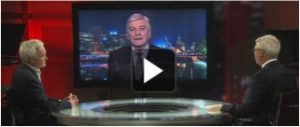
Prof. Paul Bannon discusses the RACS EAG Report on Bullying in Surgery on Lateline

Chairman of The Baird Institute, Professor Paul Bannon, joined Professor Rob Knowles & Tony Jones on Lateline to discuss the Royal Australian College of Surgeons’ EAG draft report on bullying in surgery. The video is also available on the ABC website.

The draft report found widespread bullying, discrimination and sexual harassment in surgery. The President of RACS, David Watters issued a public apology to all those who have been affected. The result of the final report will be released by the end of September

Fellows, Trainees and International Medical Graduates may seek support through the RACS Support Program in partnership with Coverage International.

HOW TO CONTACT CONVERGE INTERNATIONAL:

  • Telephone 1300 687 327 in Australia or 0800 666 367 in New Zealand
  • Email [email protected]
  • Identify yourself as a Fellow, Trainee or IMG of RACS
  • Appointments are available from 8:30am to 6:00pm Mon-Fri (excluding public holiday)
  • 24/7 Emergency telephone counselling is available

RACS Media Release Action Plan released November 2015

The President of RACS, David Watters, apologises for discrimination and sexual harrasment in surgery

The James Wadland Night of Hearts 2015

This event is dedicated to honouring the memory of the late James William Howard Wadland who passed away suddenly on 13th August, 2013 of an Aortic Aneurysm. James was a larger than life ‘Gentle Giant’ loved by all. A phenomenal man who achieved great success with anything he put his mind to.

The James Wadland Night of Hearts held on Thursday 2nd April, 2015 aims to raise awareness of heart related diseases and to honour his legacy. All proceeds of this event will go towards supporting The Baird Institute, the only group in Australia dedicated to improving clinical and surgical techniques for heart and lung conditions.

The night will be filled with James’ favourite indulgences, from his love of Greek food to a variety of amazing performances by a comedian, psychic, magician, acoustic singer, Belly dancers and a very talented percussionist. Exciting prizes to be won throughout the night so come along and enjoy the party! 

Date: Thursday 2nd April, 2015
Where: Yiamas Greek Taverna, St Peters
Prof. Paul Bannon is the new president of ANZSCTS

PROF PAUL BANNON IS THE NEW PRESIDENT OF ANZSCTS

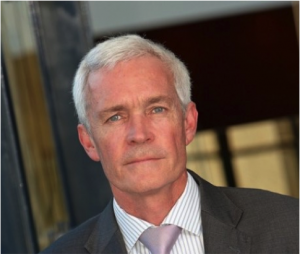
Congratulations to Baird Institute Chairman Prof. Paul Bannon who recently became the President of the Australian & New Zealand Society of Cardiac & Thoracic Surgeons (ANZSCTS) at the Annual Scientific Meeting in November.

Prof. Bannon supervises many research students at The Baird Institute, and leads the Aortic Diseases and Biomaterials research teams.

He is also Head of Cardiothoracic Surgery at Royal Prince Alfred Hospital, Professor & Chair of Cardiovascular Surgery at the University of Sydney, Vice-Chair of the Royal Prince Alfred Institute of Academic Surgery, and Co-Editor-in-Chief of the journal Annals of Cardiothoracic Surgery.
www.anzscts.org

Dr Michael Byrom Graduates with PhD

byrom-phd-graduation

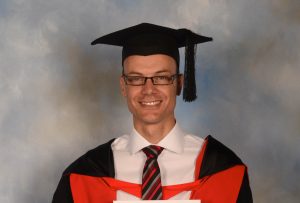
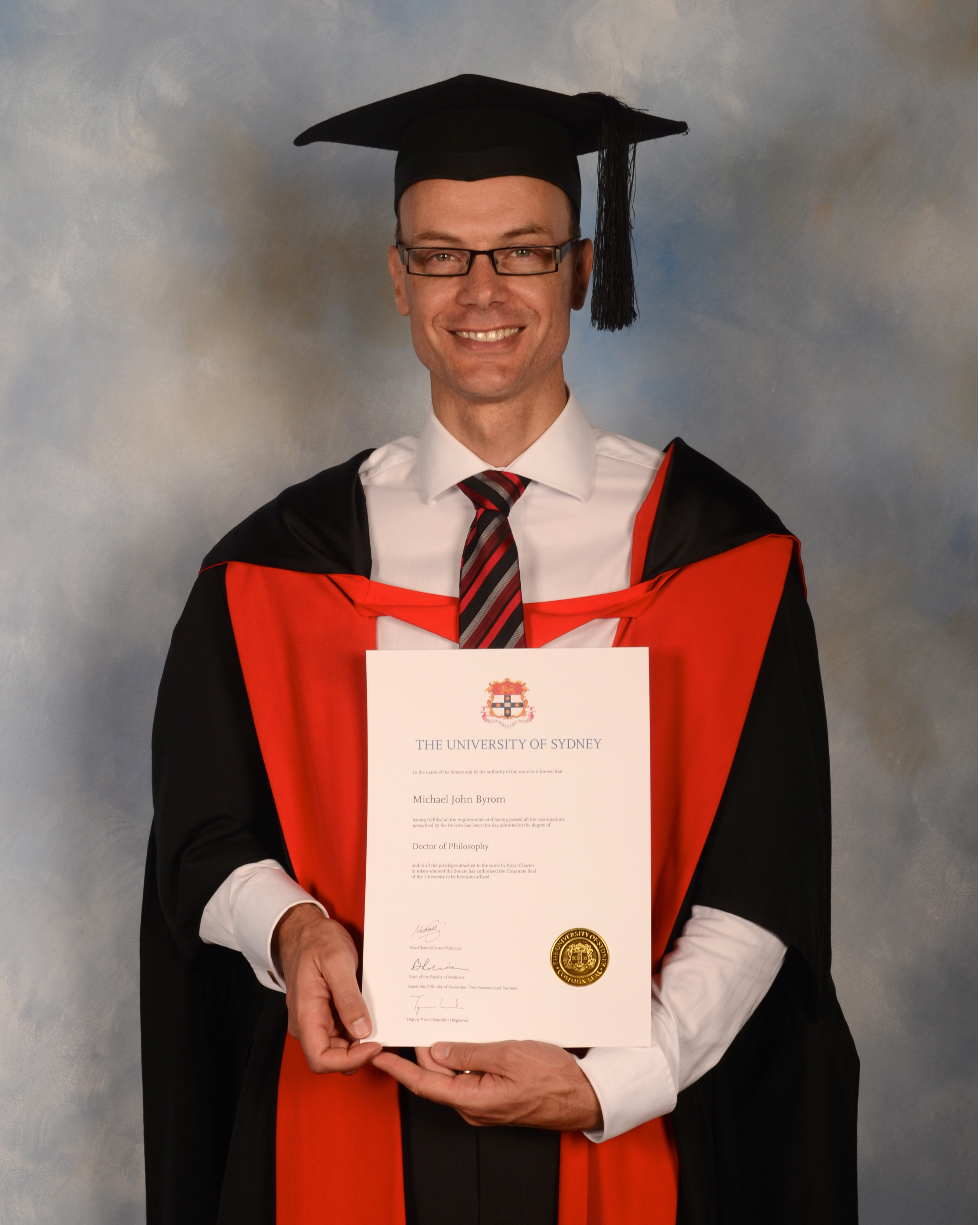
Congratulations to Baird Institute researcher & cardiothoracic surgeon Dr Michael Byrom who recently graduated with his PhD at the University of Sydney.

Dr Byrom’s research focused on developing biocompatible artificial conduits that could be used for vascular bypass grafting. His work will help lead to a whole range of devices that the body does not reject. Dr Byrom was also the St Jude Medical Fellowship holder.

Dr Byrom now continues to supervise junior researchers at the Baird Institute, and is also the Director of Laboratory Research at the Royal Prince Alfred Institute of Academic Surgery.
Stay in the loop

Subscribe to our Heart to Heart Newsletter to keep up with the latest developments in heart and lung research from The Baird Institute.

Honour a Loved One

  • Fundraise in memory of someone special to you.

Challenge Yourself

  • Run a marathon
  • Do a long bike ride
  • Walk 10km each day for a month
  • Do 50 sit ups every day for a week
  • Join an organised event such as the City to Surf

Organise a community event

  • Have a backyard sausage sizzle
  • Host a trivia night

Seek sponsorship to help you quit those bad habits

  • Give up smoking
  • Refrain from alcohol for a month or more

Celebrate Through Giving

  • Choose to give on your birthday: Instead of giving you gifts, ask your friends and family to donate to The Baird Institute.
  • Say “I do” to improving the lives of heart and lung patients: Invite guests to donate to The Baird Institute on your wedding day
  • Turn anniversaries or personal milestones into fundraising events.

Create a CrowdRaiser on GiveNow

  1. Go to CrowdRaiser for The Baird Institute.
  2. Scroll down towards the end of the page to the MY CROWDRAISER box.  Click on the button “CrowdRaise Now”.
  3. Create your CrowdRaiser. Fill in the requested details.
  4. Customise your campaign. Add images and messages to make your CrowdRaiser unique.
  5. Share the link to your fundraising page via email, social media, or any way you like.
  6. Let us know via [email protected] that you have created a fundraiser so we can say thank you.

Join a community passionate about making a difference. GiveNow provides a dedicated platform for Australian charities, ensuring your efforts directly support our mission.

Start a Facebook Fundraiser

  1. Go to Facebook fundraisers.
  2. Click on the blue button – “Select nonprofit”
  3. Search for and select The Baird Institute
  4. Set your fundraising target
  5. Choose your campaign end date & a title for your Fundraiser
  6. Personalise your fundraiser: Use the existing wording and photos or choose your own.
  7. Click on ‘Create’.
  8. Invite friends and family. Share the link for your fundraiser and encourage others to contribute.
  9. Let us know via [email protected] that you have created a fundraiser so we can say thank you.

Celebrate where your friends and family connect. Leverage your social network to make a real impact.