Advancing Innovation. Supporting Excellence. Improving Patient Care.
Commencing in 2026, the Cardiothoracic Surgical Research Scholarship is a prestigious and competitive annual award reflecting The Baird Institute’s commitment to advancing cardiothoracic surgery through research, collaboration and education.
Eligibility
- Cardiothoracic surgical registrars
- Holding a full-time 12-month contract at Royal Prince Alfred Hospital
Scholarship Value
- Up to $10,000 per year
- Awarded for up to two years
- Supports one outstanding research initiative per year
Research Focus Areas
Recipients undertake high-quality, data-driven or scientific research aligned with the Institute’s key priorities, including:
- Surgical outcomes research
- Large-scale data linkage studies
- Biobank-related research
- Clinical trial involvement
- Laboratory-based investigations such as:
- Cardiac regeneration
- Neo-vessel formation
- Mechanical circulatory support
- Valve design
Comprehensive Support
Beyond financial assistance, scholars receive:
- Mentorship from leading cardiothoracic surgical teams
- Supervision through a Baird Institute affiliated investigator
- Access to data, laboratory facilities and research infrastructure
- Ethics and research governance support
- Funding for research-related costs and conference presentations (national and international)
Through this scholarship, The Baird Institute nurtures emerging leaders in cardiothoracic surgery and facilitates research that translates discovery into meaningful improvements in patient care.
For further information on The Baird Institute surgical research scholarships or to apply, please email us by clicking on the red contact button below.
Current Surgical Scholarship Holders
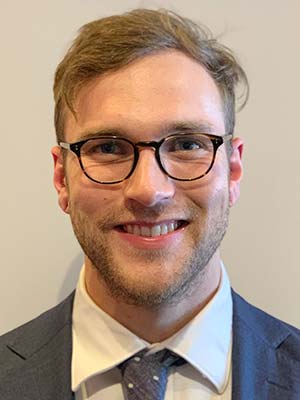
Dr. Kei Woldendorp
Earlier this year I was very grateful to be awarded a Baird scholarship to support my clinical trial for Cardiothoracic surgical patients. The trial, SAFE-Discharge (Smartphone App For Enhanced Discharge) is looking at a low-cost way to reduce complications and unexpected readmissions to hospital after major heart and/or lung surgery. Worldwide between 10 to 15% of patients are unexpectedly readmitted to hospital after major heart and lung surgery, and many of these readmissions may have been prevented, or the complications lessened, had there been a way to intervene earlier. Furthermore, each readmission occupies a hospital bed that may have otherwise been used to care for another sick patient awaiting a lifesaving operation.
If this trial is successful in reducing readmissions even by only a small fraction, we would not only be improving the recovery of our patients after surgery but also allow many other patients the opportunity to have their procedures done in a timely manner. The trial commenced in June this year and is expected to run until February next year after which we will have enough data to identify if this intervention is taken up by our patients effectively and if we have reduced complications and/or readmissions to hospital. In the coming weeks we will be reviewing the first 50 patients who have been enrolled along with their recovery in the first month after surgery, this is a major milestone in this trial, and we eagerly await the results. The scholarship has already been put to practical use funding essential equipment for patients in the trial that have enabled improved monitoring of our patients symptoms after they have been discharged.
I would like to thank The Baird Institute and its supporters for this scholarship and to all others who have contributed to this project, and heart and lung surgery research in general.