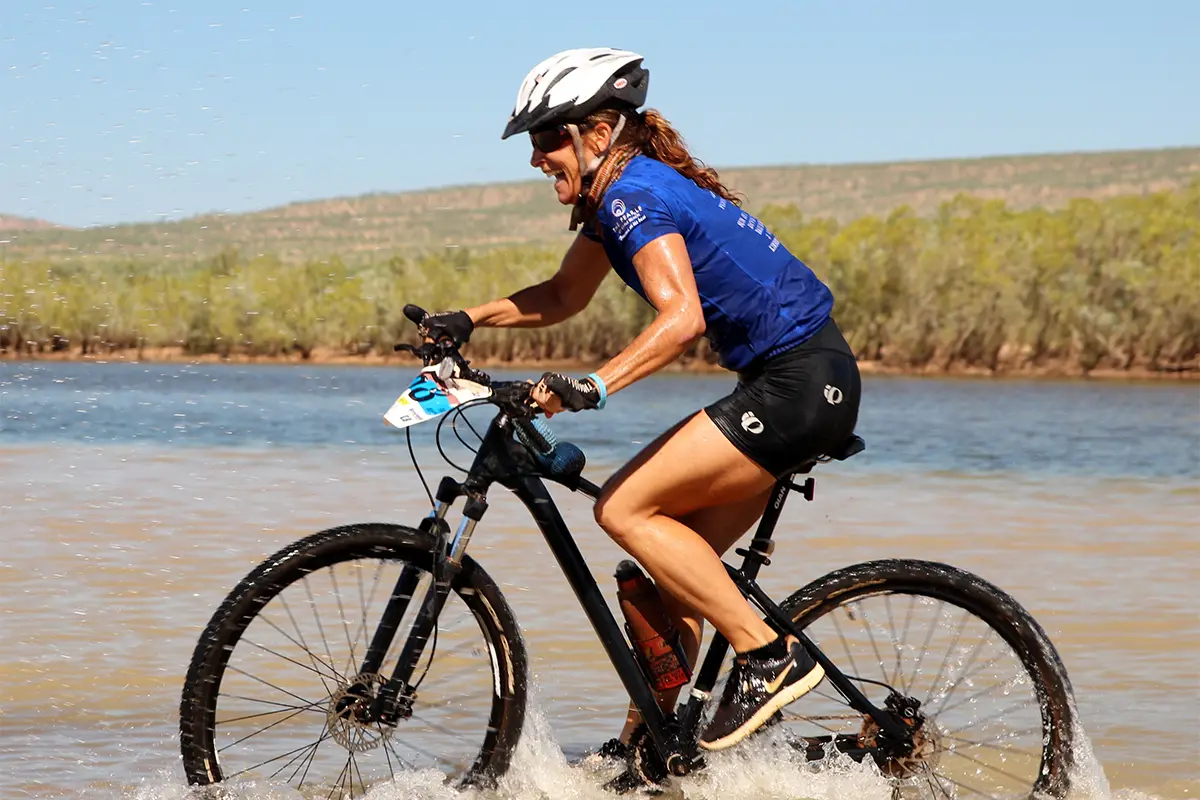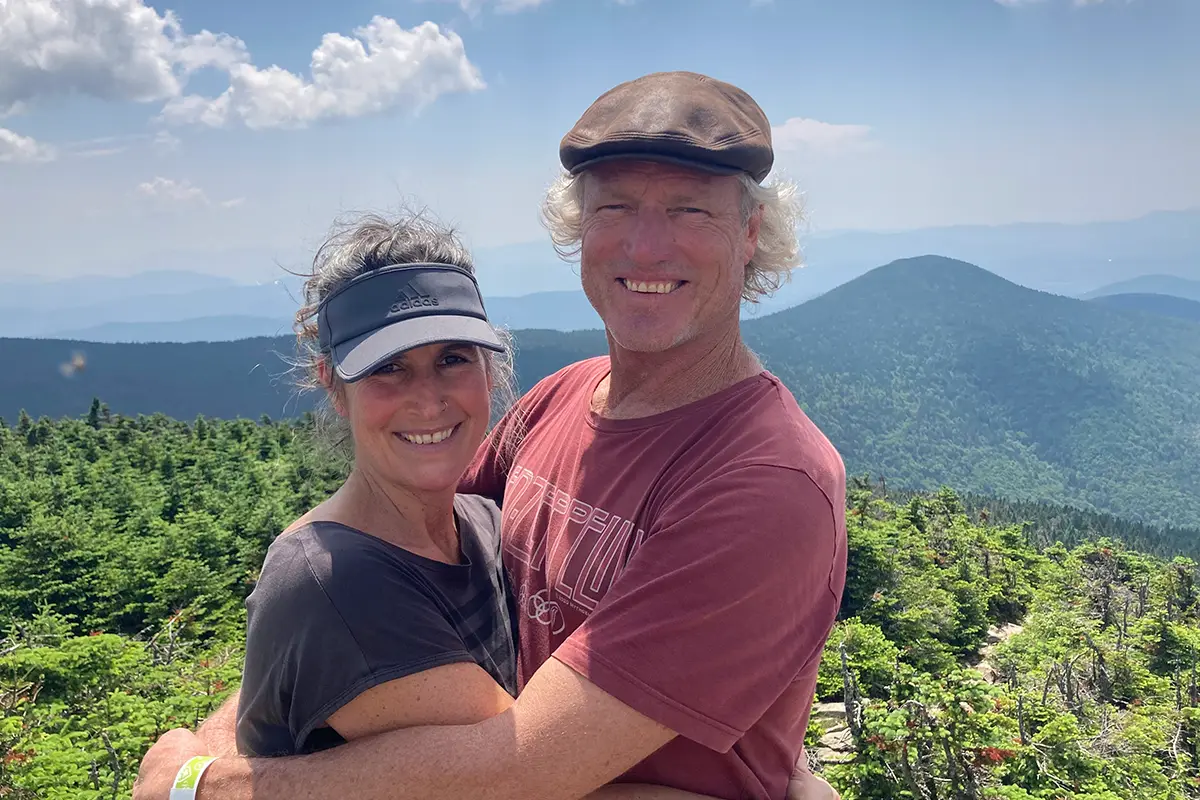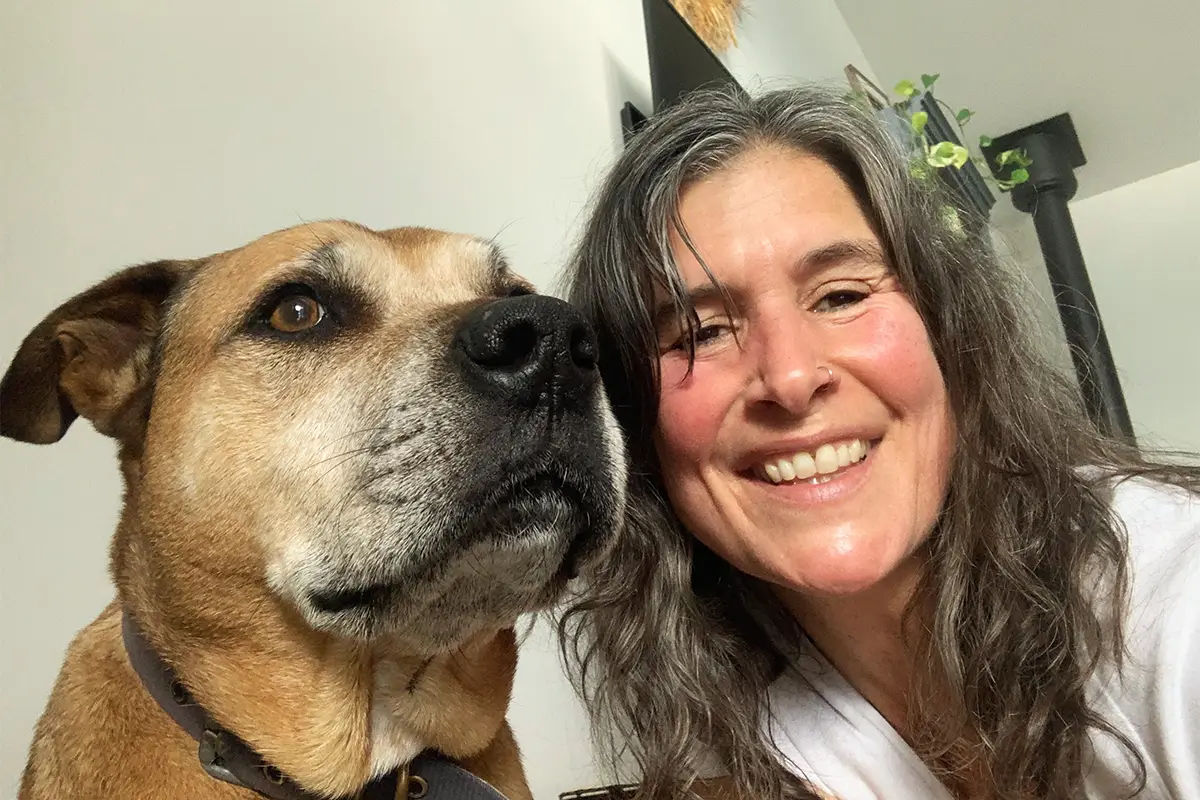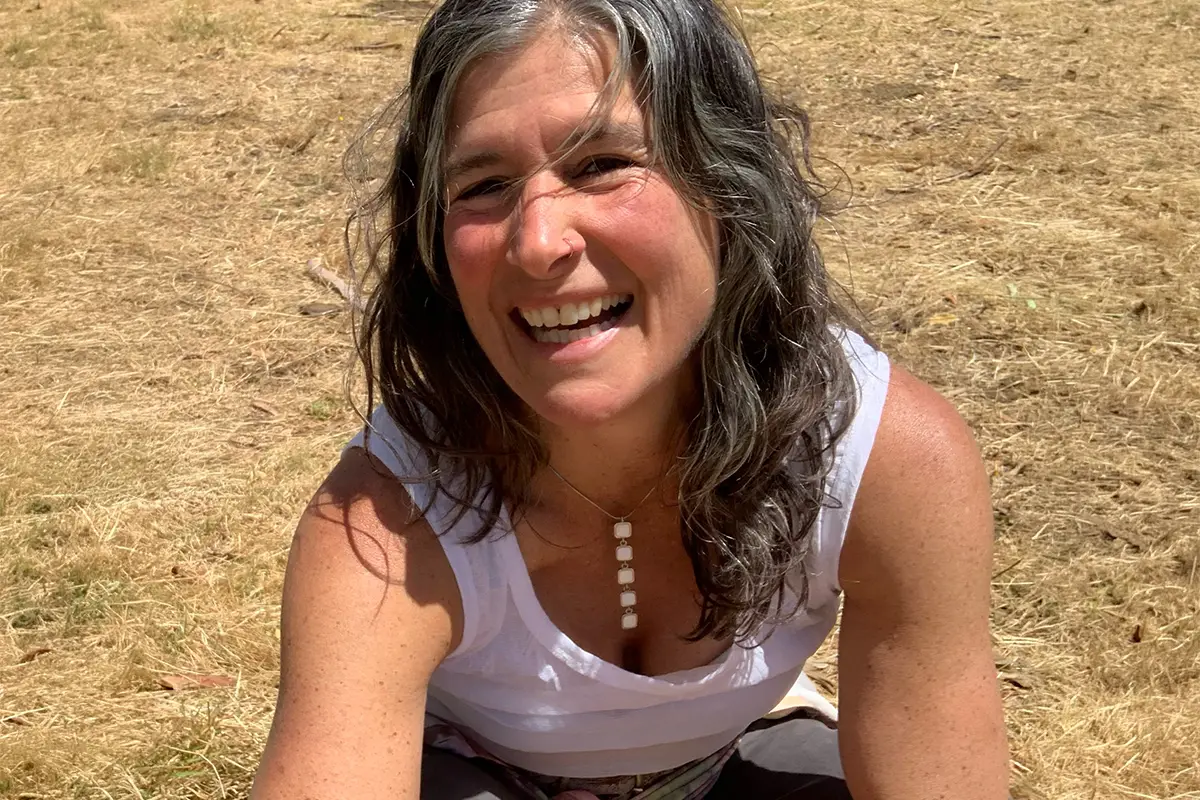
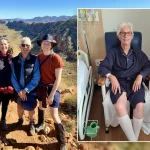
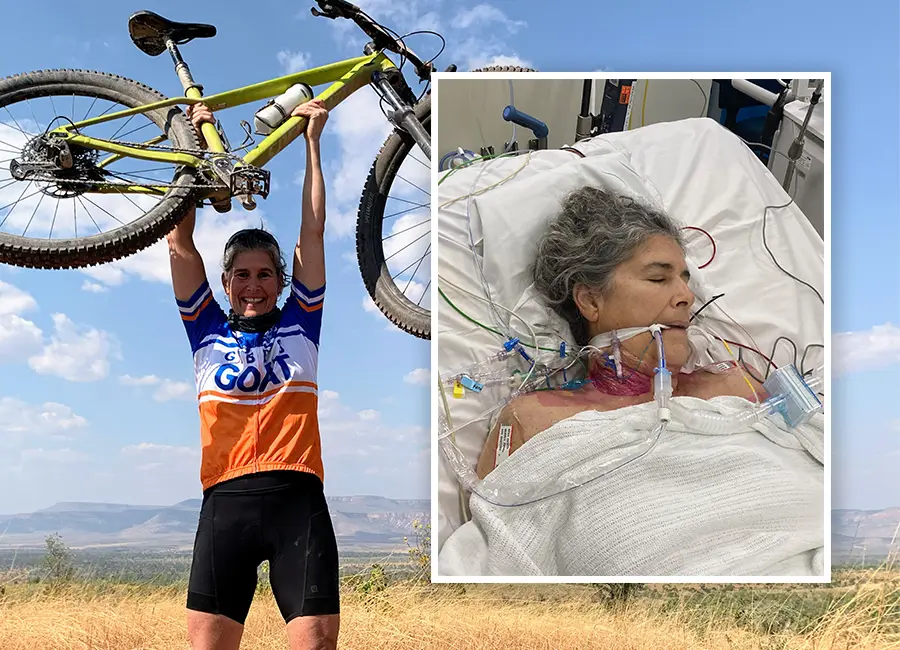
I’ve always been a fitness enthusiast, healthy and strong, or so I thought. My world was rocked when a large aneurysm on my aortic root was found incidentally.
My cardiologist at the time said we’d monitor it with another echocardiogram in a year. If she wasn’t going to worry about it, then neither was I. I let it rest, trusting in the system…for a while.
But almost a year later, probably because my annual testing was coming up and it was on my mind, I started researching thoracic aortic aneurysms more in depth. I stumbled onto the U.S. guidelines with the top ten take home recommendations. Although many pertained to me, one stood out explicitly, number ten, ‘screening of first-degree relatives with aortic imaging is recommended’.
At this point I had totally assumed my aneurysm was sporadic and just bad luck, and that I had probably done something to cause it. But I realised I had a responsibility to ask family members to be screened, just in case. If I didn’t, and they died from an aortic dissection that could have been prevented, I would blame myself.
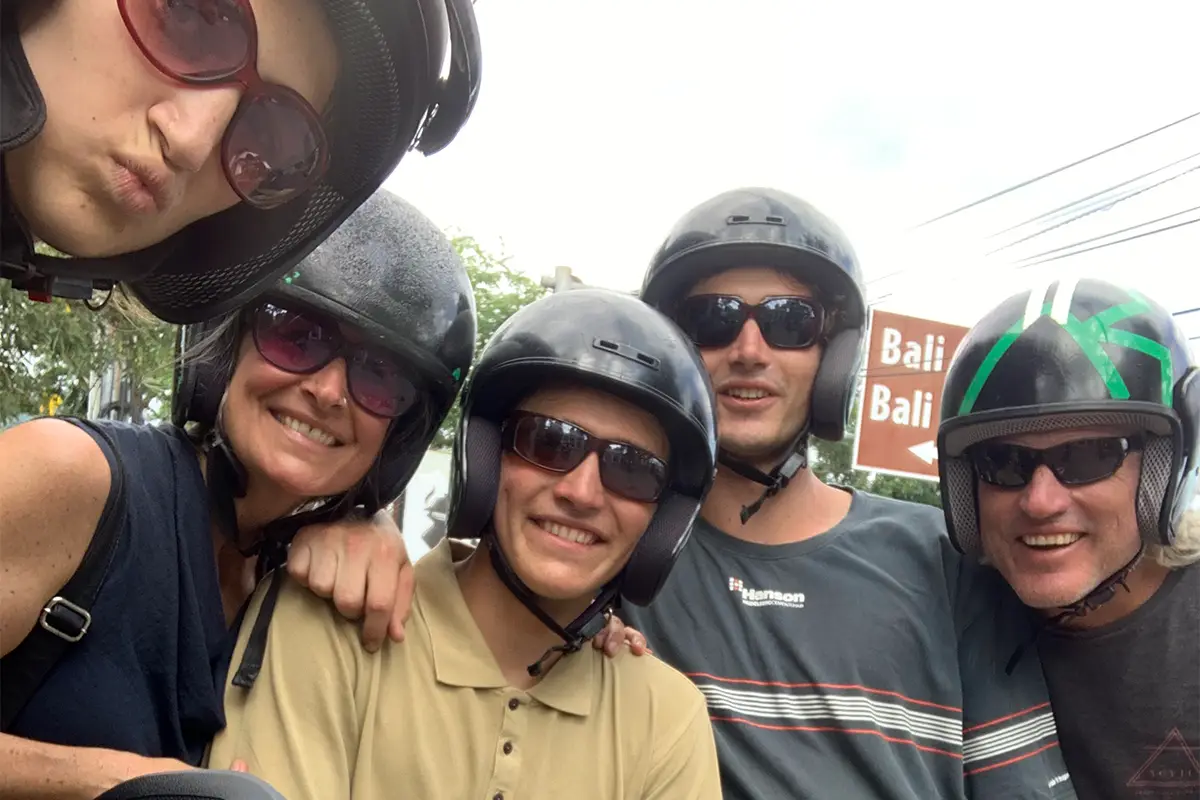
My two siblings, who live overseas, agreed to be tested. Unfortunately, my brother was found to have virtually the same size aneurysm, in the same place as me. He had surgery not long after. There is no history of this on our father’s side, and our mother was adopted. All we know about her biological family is that her mother died at 38. Could it have been from a dissected aortic aneurysm?
My brother’s diagnosis was a gamechanger, this was now likely genetic, and I knew I had to get serious about my situation. But I live in regional Australia, more than three hours from a city, and I’m a public patient. How was I going to navigate this? I felt so alone, as an aortic aneurysm isn’t something easily chatted about to others because it’s so serious and uncommon, and it can make people uncomfortable.
I knew I had to be my own advocate, to learn as much about this disease as possible and do what I needed to do to ensure I would live to meet my grandchildren.
I discovered that aortic multidisciplinary centres were the gold standard in treatment, and when I researched Australian centres on the internet, The Baird Institute instantly popped up. I was impressed with their website, so even though I live across the country, I sent them an email with some questions about interstate specialists.
Their response was immediate, warm and informative. We had a few emails back and forth before they mentioned they had spoken to cardiothoracic surgeon Professor Paul Bannon, who they said was happy to have a chat with me. This wasn’t something I had asked for, it was offered, and if you read about Prof Bannon’s experience and accolades, you would understand why I jumped at the opportunity!
Professor Bannon and I met virtually a few times, and along with my new aortic cardiologist, one of his colleagues, our shared decision making process resulted in a surgery date. While it would have been more ideal to have the surgery in my home state, Professor Bannon’s experience with aortic root surgery, a complex and technical operation, surpassed other cardiothoracic surgeons I had spoken to here.
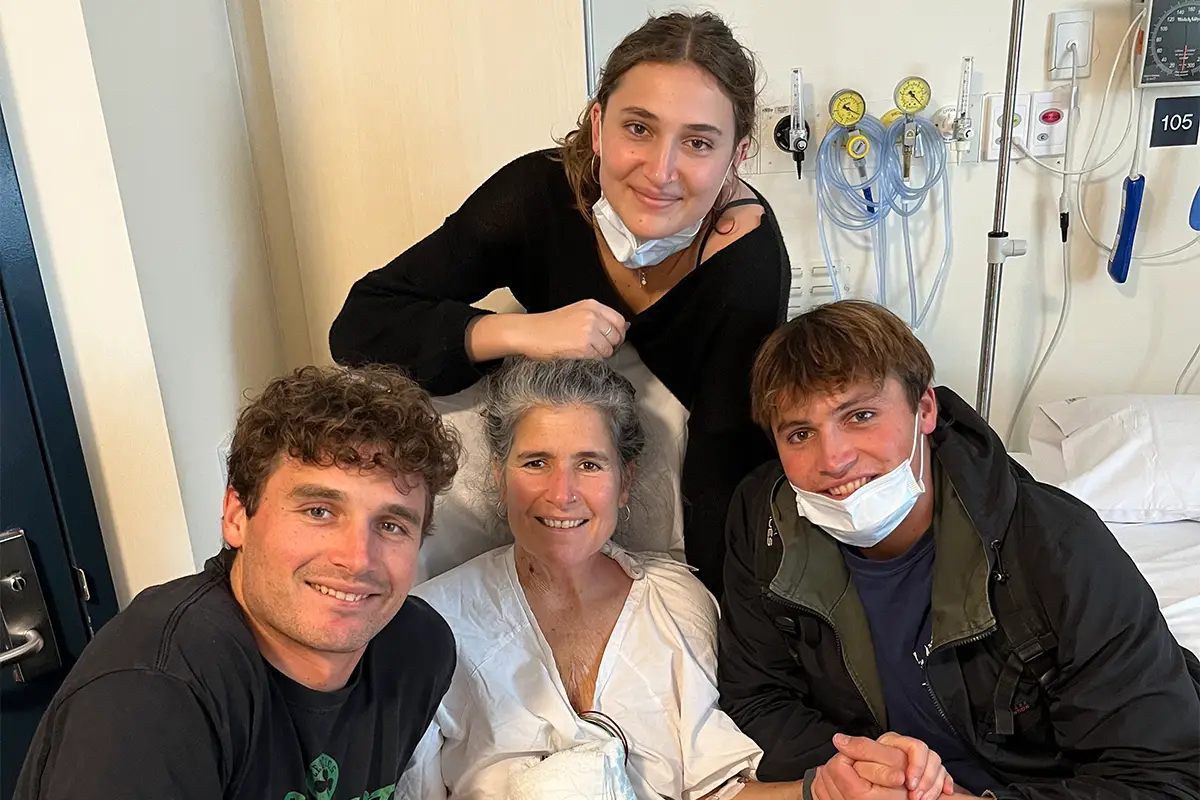
Although recovery is hard, as expected, my surgery was a complete success, and I am forever grateful to Professor Bannon and his team.
Unfortunately, it doesn’t end there. My children have recently been screened, and sadly, two out of three of them have aortic disease.
If there’s a time to donate to The Baird Institute, now is it, please. For the furtherance of aortic disease research and treatment, so that my children, their children, and all future generations, have better outcomes.